 Save to Pinterest
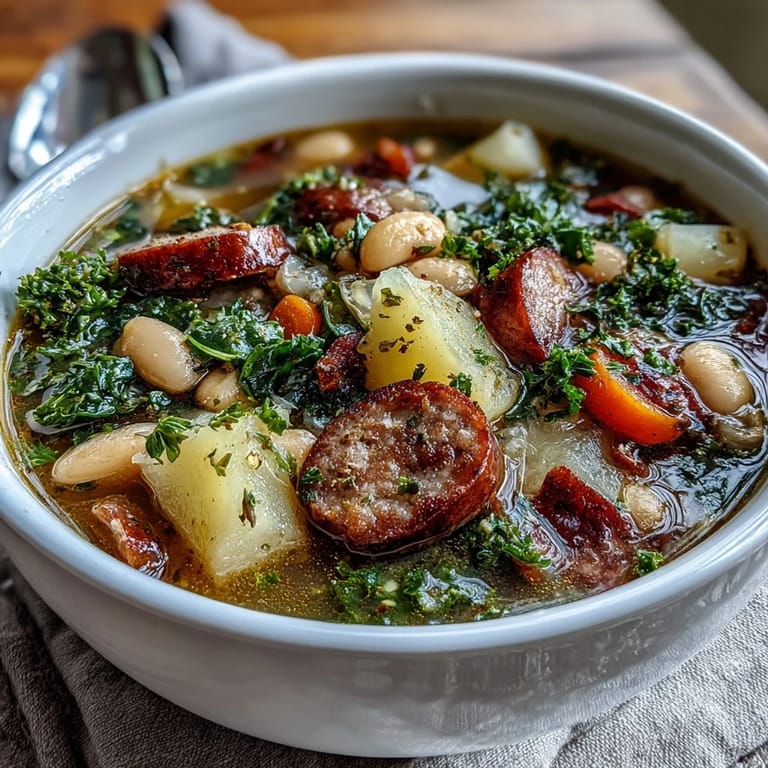
 There's something about a pot of Tuscan white bean sausage soup that turns an ordinary Wednesday into something worth talking about. I discovered this recipe not in a cookbook but in the steam rising from a neighbor's kitchen on a chilly autumn evening—she'd left her window cracked open, and the smell of sausage, garlic, and herbs drew me right in. When she invited me to stay for a bowl, I realized immediately why this humble soup had earned such a permanent place at her table. The way the creamy beans collapse slightly into the broth while the sausage stays hearty and the kale keeps its gentle bite felt like comfort and elegance living peacefully together.
I made this soup for my sister when she was going through a rough patch, and watching her shoulders relax after the first spoonful reminded me that food has this quiet power to say things words can't quite reach. She asked for the recipe that night, and now it's become her go-to when she needs to feed people she cares about—which tells you everything you need to know about how reliable and genuinely delicious it is.
Ingredients
- Italian sausage (1 lb, casings removed): This is your backbone—choose mild if you prefer subtlety or spicy if you like a gentle kick that builds as you eat; the fat renders into the broth and becomes liquid gold.
- Yellow onion, carrots, celery (the soffritto): These three are the foundation of every Italian soup worth making; they should be diced roughly the same size so they soften evenly.
- Garlic (3 cloves, minced): Add it after the soffritto softens, not before, or it'll burn and turn bitter—I learned this the hard way.
- Cannellini beans (two 15 oz cans, drained and rinsed): Rinsing them removes the excess starch and prevents the soup from becoming gluey; don't skip this step.
- Yukon Gold potatoes (2 medium, diced): These varieties stay creamy rather than falling apart, and they absorb the broth's flavor like little sponges.
- Kale (2 cups chopped, stems removed): Add this near the end so it stays tender but keeps some personality; overcooked kale tastes like regret.
- Chicken broth (6 cups, low-sodium): Low-sodium gives you control over the final seasoning; you can always add salt, but you can't take it back.
- Dried oregano, basil, thyme (1 teaspoon, 1 teaspoon, and 1/2 teaspoon): These herbs are gentle but persistent—they build flavor quietly without shouting.
- Diced tomatoes (optional, 15 oz can): I include them for subtle acidity that brightens everything else; skip them if you prefer a cleaner, more herbal taste.
- Extra-virgin olive oil (2 tablespoons): Use good oil here—it's not just for cooking but also for the richness it leaves behind.
Tired of Takeout? 🥡
Get 10 meals you can make faster than delivery arrives. Seriously.
One email. No spam. Unsubscribe anytime.
Instructions
- Brown the sausage:
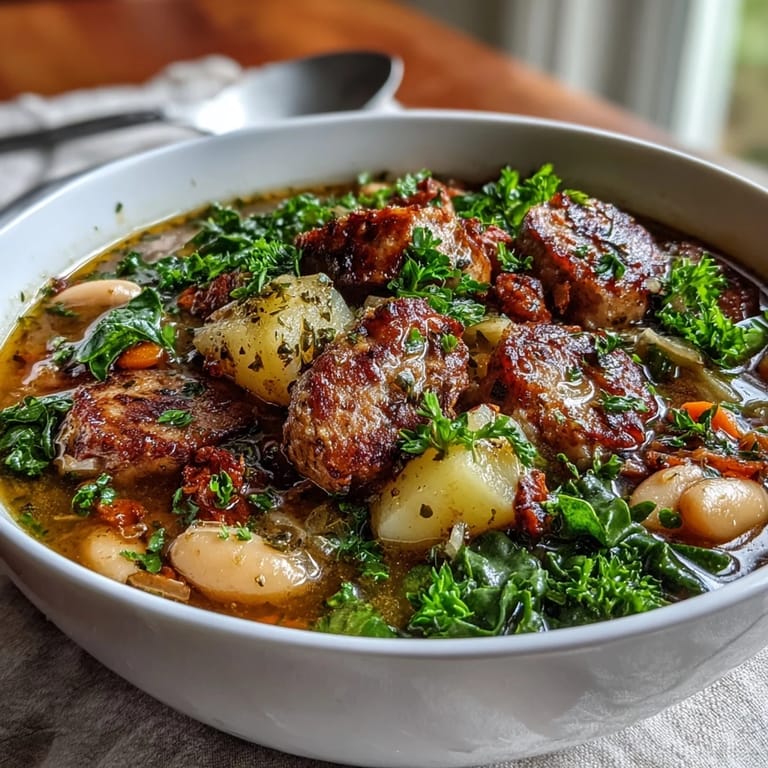
- Heat olive oil in a large pot over medium heat, then add the sausage, breaking it into small pieces as it cooks. You want it golden and cooked through (about 5-6 minutes), not gray—that's when you know the fat has rendered properly and will give your soup body. Set it aside on a plate, but leave every bit of that flavorful fat behind.
- Build the base:
- Toss in your diced onion, carrots, and celery, letting them soften gently for 5 minutes while you stir occasionally. This is your moment to breathe in the kitchen—there's something meditative about watching vegetables soften. Add the garlic for just one minute more, until fragrant, then you're ready for the next step.
- Bring everything together:
- Return the sausage to the pot, then add the potatoes, beans, tomatoes if using, broth, and all your herbs and spices. Stir well so the seasonings distribute evenly, and you'll notice the broth turning rich and amber-colored already.
- Simmer until potatoes are tender:
- Bring everything to a boil, then lower the heat and cover. Let it bubble gently for 20 minutes—this is when the soup transforms, the potatoes becoming creamy and the flavors marrying. You'll smell it before you know it's ready.
- Finish with kale:
- Uncover the pot, stir in your kale, and simmer uncovered for 5-7 minutes until it's tender and a deep forest green. This final step takes just minutes, but it changes the whole character of the soup, adding freshness and nutrition right at the end.
- Taste and adjust:
- Before serving, taste and season with salt and pepper until it feels balanced to you—this is your soup, after all, and your palate is the final judge.
 Save to Pinterest
 This soup became my answer to the question I never actually asked: what do I make when I want to feel capable and generous at the same time? There's something about ladling a steaming bowl for someone and watching their face soften that makes all the chopping worthwhile.
The Soul of Tuscan Cooking
Tuscan food doesn't try to impress—it just knows it will. The philosophy here is about letting good ingredients speak quietly together rather than competing for attention. This soup embodies that perfectly: nothing fancy, nothing fussy, just sausage and beans and greens in a broth that tastes like someone who knows you very well made it especially for you.
Timing and Make-Ahead Magic
The beauty of this soup is that it rewards patience but doesn't demand it. You can make it from start to finish in under an hour, or you can brown the sausage and soften the vegetables in the morning, then finish it when you get home and the kitchen fills with that incredible aroma. Leftovers keep for three days in the refrigerator and taste even better the next day once all the flavors have settled into each other.
Serving Suggestions and Small Touches
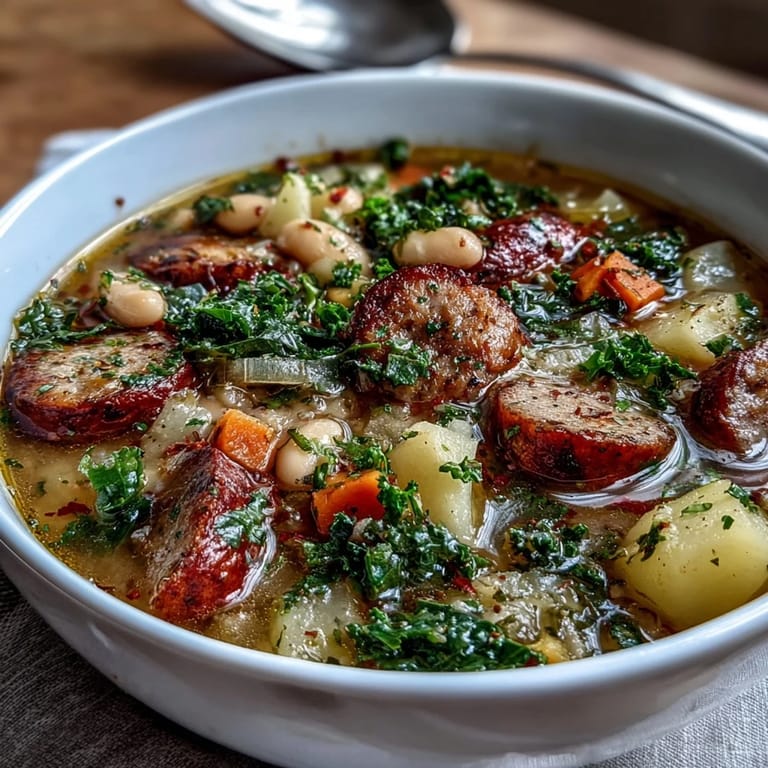
Serve this soup hot in deep bowls with crusty bread for scooping and plenty of good Parmesan if you like. A drizzle of olive oil across the top adds a whisper of richness, and a crack of fresh black pepper reminds you that simple is often most elegant. My favorite discovery was adding a Parmesan rind while the soup simmers—just drop one in and fish it out before serving—because that little trick somehow deepens everything without you being able to quite explain why.
- A squeeze of fresh lemon juice at the very end brightens the whole pot.
- Red pepper flakes aren't just optional—they're actually a secret weapon for making the flavors feel more alive and present.
- Cold-weather comfort doesn't require complicated recipes, just ingredients you believe in and a little time to let them get to know each other.
 Save to Pinterest
 This is the soup I return to because it never lets me down—it's straightforward enough for a Tuesday night and thoughtful enough for when someone needs feeding. Make it, share it, watch it work its quiet magic.
Recipe FAQs
- → Can I use a different type of bean?
Yes, great northern beans or navy beans work well as substitutes for cannellini beans. They have similar creamy textures and mild flavors that complement the sausage and herbs.
- → How can I make this soup vegetarian?
Replace the Italian sausage with plant-based sausage and use vegetable broth instead of chicken broth. The cooking method remains the same, and the soup will still be hearty and flavorful.
- → Can I use fresh herbs instead of dried?
Absolutely. Use three times the amount of fresh herbs compared to dried. Add fresh oregano, basil, and thyme during the last 10 minutes of cooking to preserve their bright flavors.
- → What other greens can I substitute for kale?
Spinach, Swiss chard, or escarole are excellent alternatives. Spinach wilts quickly, so add it in the last 2-3 minutes. Chard and escarole have similar cooking times to kale.
- → How do I store and reheat leftovers?
Store in an airtight container in the refrigerator for up to 3 days. Reheat gently on the stovetop over medium heat, adding a splash of broth if the soup has thickened. You can also freeze for up to 3 months.
- → Can I add the Parmesan rind mentioned in the notes?
Yes, adding a Parmesan rind during simmering infuses the broth with rich, savory umami flavor. Simply drop it in when you add the broth and remove it before serving.